Newsroom

Unpacking the Bears Ears rollback

By AllTrails

Jul 14, 2026

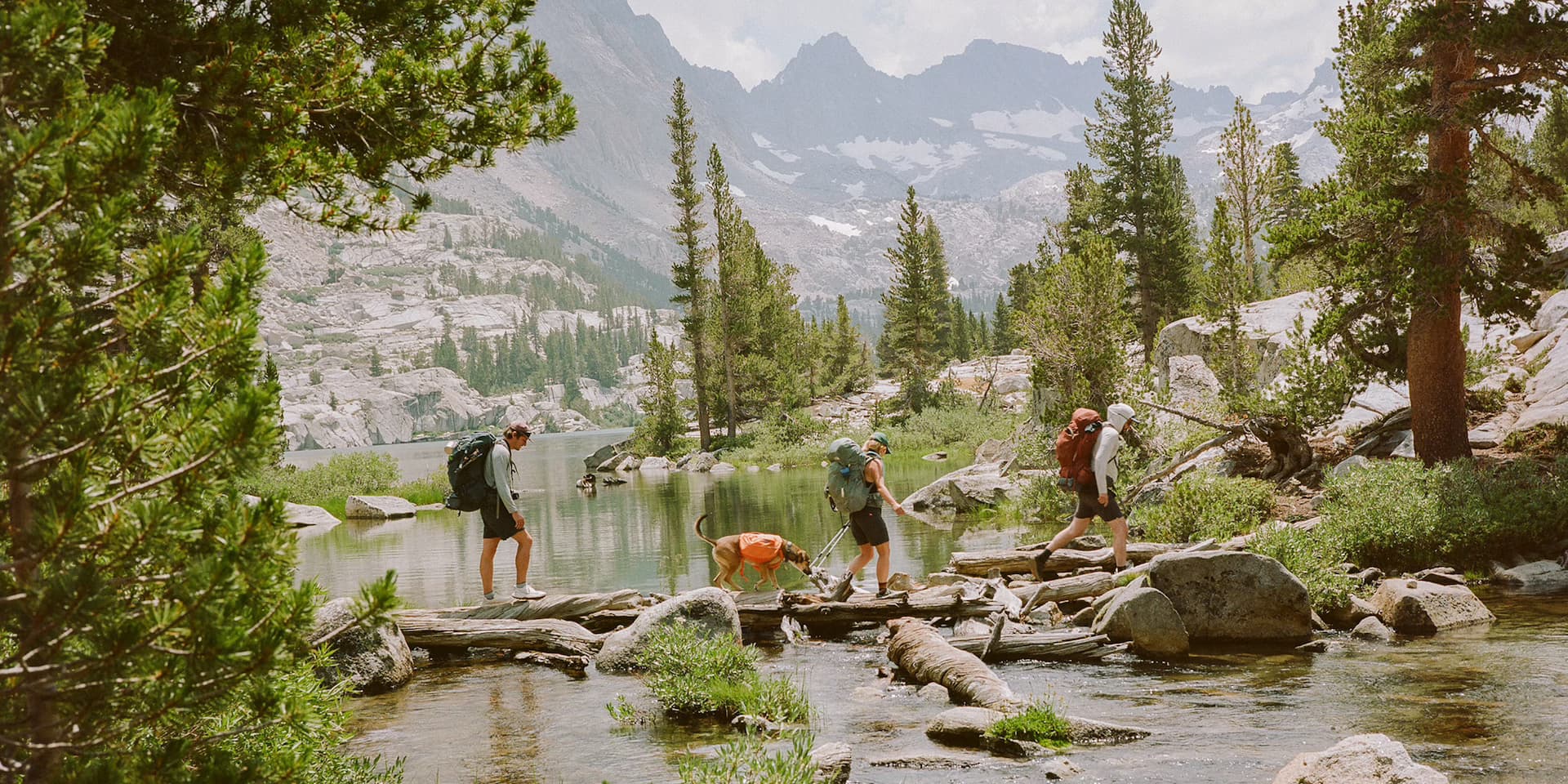
Header Image

July 14, 2026 – On Monday, July 13, 2026 President Trump signed an executive order reducing the boundaries of Bears Ears and Grand Staircase-Escalante National Monuments in southern Utah. The proclamation reduces both by around 90%, Bears Ears by 1.2 million acres and Grand Staircase by 1.7 million acres.

If this announcement feels familiar, that’s because it is. Bears Ears was designated in 2016, cut in 2017, restored in 2021, and now reduced again. 

We believe that these landscapes deserve protection, and the public deserves better than watching the lines get redrawn every four years. Three in four Americans oppose the closure of national public lands.

Bears Ears is the home of Indian Creek, Valley of the Gods, and an estimated 100,000 cultural and archaeological sites, places that have been sacred to tribal nations far longer than any national monument has existed. Grand Staircase-Escalante has Lower Calf Creek Falls, and some of the richest dinosaur fossil beds in North America. People hike, climb, and camp in these areas every single day.

People are recreating in these places, in a range of different ways. In the last two years, there have been 13 different tracked activity types in these regions, including hiking, trail running, mountain biking, horseback riding, and rock climbing. AllTrails has 138 different trail routes across the two monuments, over 45,000 reviews and ratings, 70,000 photos, and significant growth over the last five years.

Among national monuments, both Grand Staircase and Bears Ears stand out as examples of popular monuments. Grand Staircase is one of the most visited in the monument system, and on AllTrails, outranking popular national parks like Crater Lake, Everglades, and Badlands. Bears Ears, while more remote and less visited, has one of the strongest growth of all parks in the last five years. 

The public remains broadly supportive of protecting these places. The 2017 monument review drew 2.8 million comments, and more than 99% supported keeping the monuments intact. Polling has found that a majority of Utah voters, across party lines, support monument protections. Yet as long as these decisions rest on imperfect policy tools, they’ll keep getting re-litigated with every administration.

How we got here. Again.

In 2010, a Native-led nonprofit called Utah Diné Bikéyah began mapping the cultural landscape of the Bears Ears region, and in 2013, that work became the basis for a proposal submitted to Congressman Rob Bishop’s Public Lands Initiative.

San Juan County ended up adopting its own land-use proposal in 2015 without tribal input. In response, five tribes–the Hopi Tribe, Navajo Nation, Ute Mountain Ute Tribe, Ute Indian Tribe, and Pueblo of Zuni–formed the Bears Ears Inter-Tribal Coalition in July 2015. It was the first time five sovereign tribal nations united to petition for a national monument. Their proposal, delivered to the Obama administration that October, asked for 1.9 million acres with collaborative tribal management.

Congress had years to protect the region through legislation but due to its inaction, the task fell to President Obama, who designated 1.35 million acres under the Antiquities Act, with a first-of-its-kind tribal commission built into the monument’s management.

When Utah’s legislature passed a resolution in February 2017 urging the new Trump administration to rescind these protections, outdoor brands boycotted the Outdoor Retailer trade show for as long as it stayed in Salt Lake City, and a wave of smaller brands followed. Despite that, the first Trump administration cut 85% of Bears Ears and nearly half of Grand Staircase-Escalante, and land was reopened to new mining claims. The tribes sued, arguing that the Antiquities Act lets presidents create monuments but not dismantle them.

Four years later, President Biden restored both monuments in full, and in 2022, the five tribes and federal land agencies signed a first-of-its-kind cooperative agreement to manage Bears Ears together. The management plan that followed wove traditional tribal knowledge into how the land is actually run; that plan is one of the things we stand to lose with this most recent reduction.

But those 2017 lawsuits never got an answer. Nine years into this fight, no court has ever conclusively ruled on whether a president can legally shrink a monument.

placeholder post title

So here we are, in 2026, watching the whole process repeat itself in a depressing Groundhog Day of public lands discourse.

Congress has had opportunities to make these designations more permanent. Bills to permanently codify monument boundaries have been introduced in multiple sessions and gone nowhere. Likewise, bills pulling in the opposite direction, ending presidential designation authority entirely, have also failed. In this vacuum of clarity around who has the power to do what, the monuments themselves continue to whiplash back and forth. Management plans get written and shelved, land managers start over, and progress on tribal input gets erased.


Unfortunately, there’s no comment period on an executive order. But that doesn’t mean that there’s nothing to do.

Permanent protection for these landscapes requires legislation. Tell your senators and representatives you support making the monuments’ full boundaries permanent, and that you oppose efforts to weaken the Antiquities Act. Calls and personalized messages carry more weight than form petitions.

If you want to support the people closest to this work, the Bears Ears Inter-Tribal Coalition, Bears Ears Partnership, and Grand Staircase Escalante Partners have been working on it for years.

Recent news

See all